
Programme information12 MAY
Programme outline
Programme outline for Lefa AI: Making sense of AI in South African Education
Programme outline for Lefa AI: Making sense of AI in South African Education
New on our blog: introducing Lefa AI, because AI is already in our classrooms, and we need to make sense of it, together.

A five page insight brief on what AI means for African languages in South African schools, and for Mother Tongue-based Bilingual Education.

A short blog post exploring the key themes around AI in African Languages
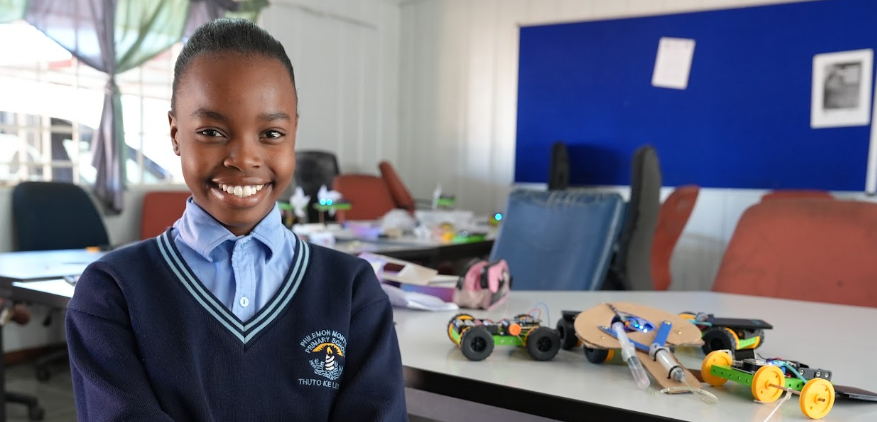
Join us for this three-part national webinar series exploring what AI means for South African basic education (grades R to 12), from how learners think & learn, to the changing role of teachers & schools, to the policy choices that will shape what comes next. Hear from researchers, teachers & sector leaders as we unpack the latest evidence, hear local perspectives & make sense of AI in education together.

An insight brief on what current evidence tells us about how AI shapes learning, and what that means for South African schools, where access to the right tools is far from equal.
A short summary of the webinar conversations. A full brief for each webinar will be available soon.

What should learners know in an age of AI? This insight brief draws together international examples and South African expert views on how curriculum might respond.

AI can produce the product of thinking without the learner doing any of the thinking. This insight brief explores what that means for how we teach in South Africa: why pedagogy needs to lead rather than the AI tool, why active learning matters more than ever, and what teachers need to make this work.

Almost every South African school is within reach of a network, yet close to a third are still not connected, and many that are connected are too slow to be useful. Drawing on research and the voices of around 450 children, this brief explores what meaningful, safe access to AI and digital learning really takes.

AI is testing the values schools have always held. This brief explores how existing laws and school policies can guide its use, and what shared support schools need so that AI narrows the digital divide rather than widening it.
AI is already in South African schools, with or without guardrails. This paper looks at what it will take to govern it well, from linking with government digital systems to supporting teachers and building the capacity to put policy into practice.
This is the research paper on how South African schools can govern AI use safely and fairly, with a practical framework for SGBs, school leaders and educators built around a clear Rulebook and a flexible Gameplan.
This is research paper explore how AI strengthens or undermines African languages in South African schools, and what it would take for AI to support learners’ home languages.
Technological advancements like Artificial Intelligence (AI) hold both risks and benefits for education. Learners’ awareness and capacity to engage safely, ethically and critically in the digital world is therefore an important consideration and is the focus of this paper.
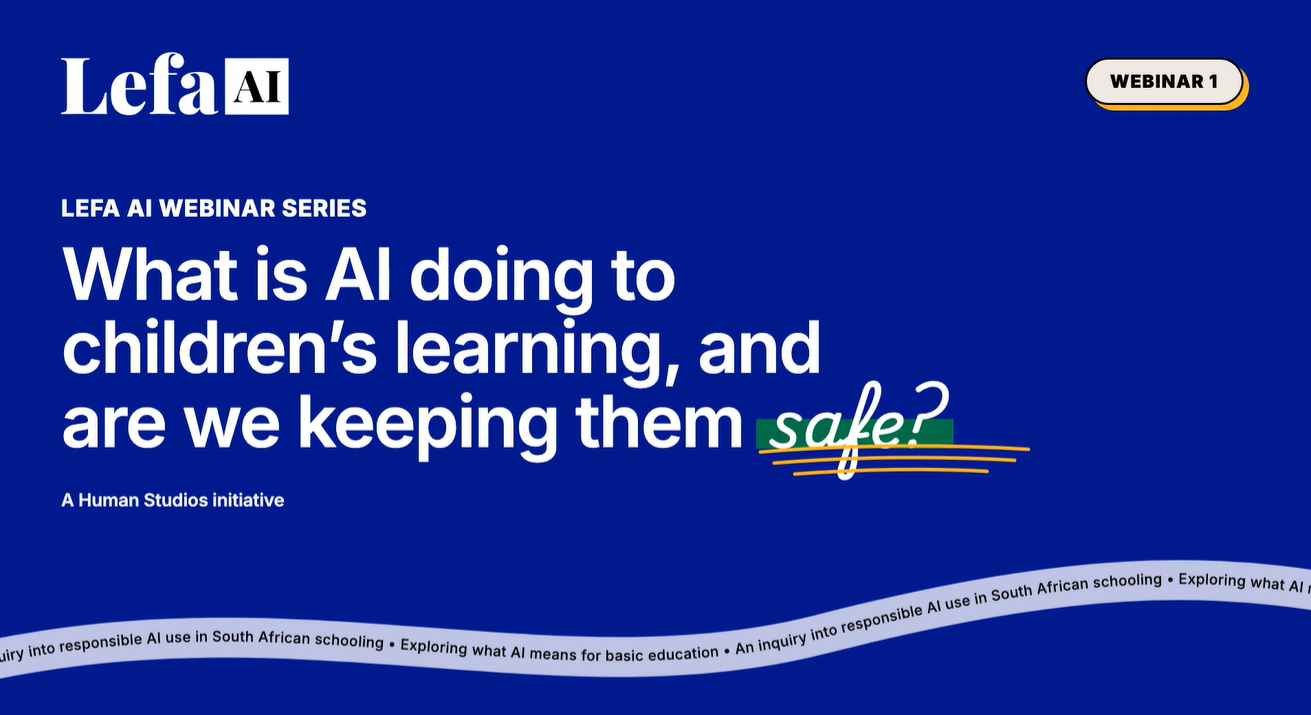
What is AI doing to children’s learning in South Africa, and are we keeping them safe? In the first Lefa AI webinar, Shirley Eadie from Human Studios spoke with educators, researchers and child rights specialists about learning, safety and access in an age of AI. Almost 90% of the people in the room told us South African schools are not yet equipped to keep children safe with AI.
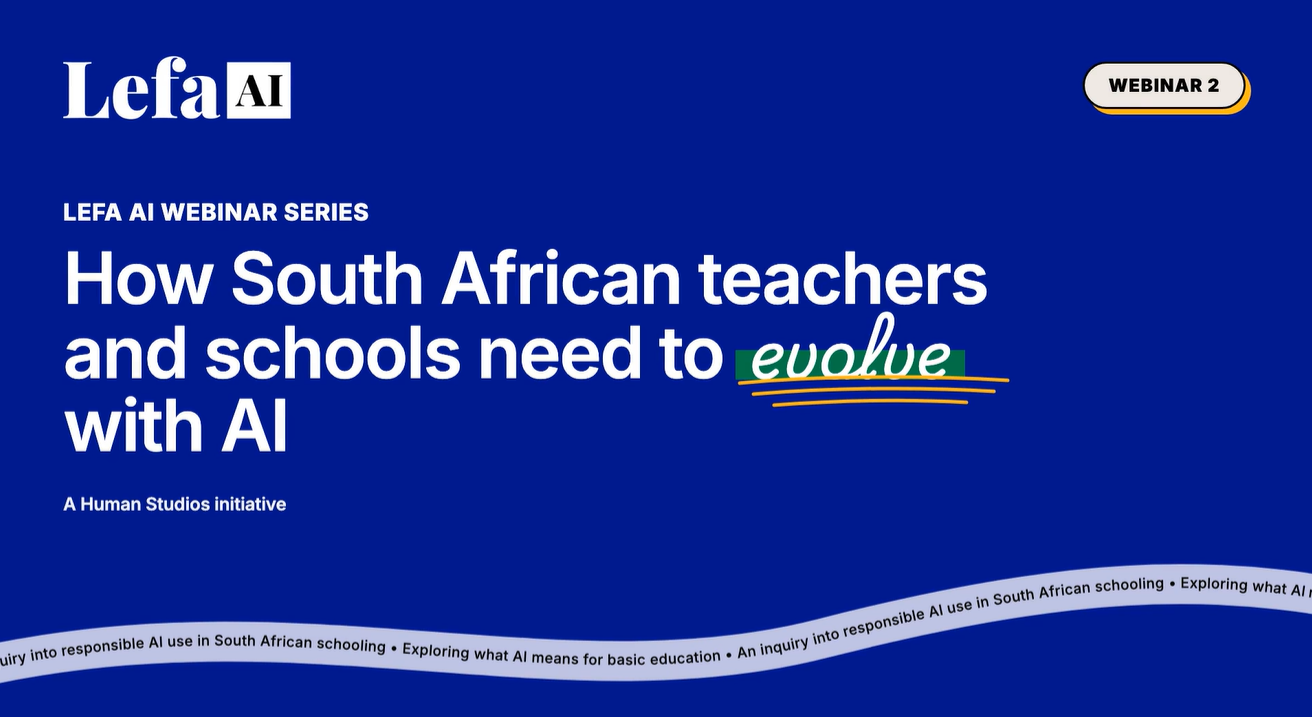
How are teachers and school leaders in South Africa making decisions about AI, often with very little guidance? In the second Lefa AI webinar, Shirley Eadie from Human Studios spoke with teachers, school leaders and edtech builders about what AI means for schools and classrooms. The room overwhelmingly told us AI literacy belongs inside existing subjects. The panel kept coming back to one idea: build an AI ethos around your school’s own values.

Who sets the guardrails for AI in South African schools, and what will it take to make them real? In the third and final Lefa AI webinar, Shirley Eadie from Human Studios was joined by voices from government, global policy and research to talk about AI policy and the wider education system. Almost two thirds of the room told us AI is equally an opportunity and a risk for South African learners, and teacher training came out as the top need.
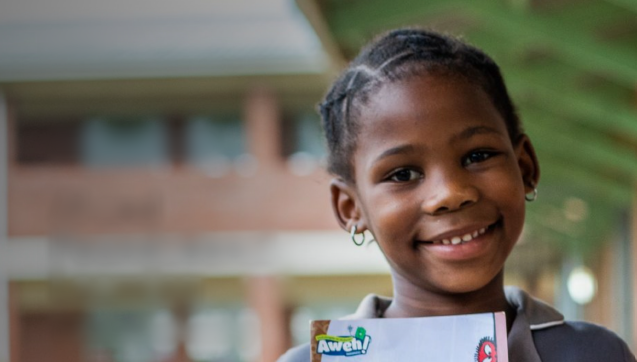
Drawing on research and conversations with teachers and experts, this paper explores when AI can support foundational literacy and numeracy in South Africa, and why it should support teachers rather than replace play and human connection in the early grades.
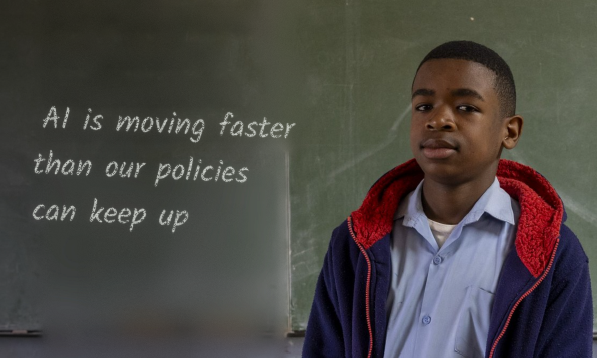
This paper looks at what it would take for South African schools to use AI safely, ethically and equitably, at a time when deep inequality and policy that is still being written leave the system open to untested quick fixes, and it makes the case for a joined-up, evidence-informed approach shaped with the teachers and learners it affects.
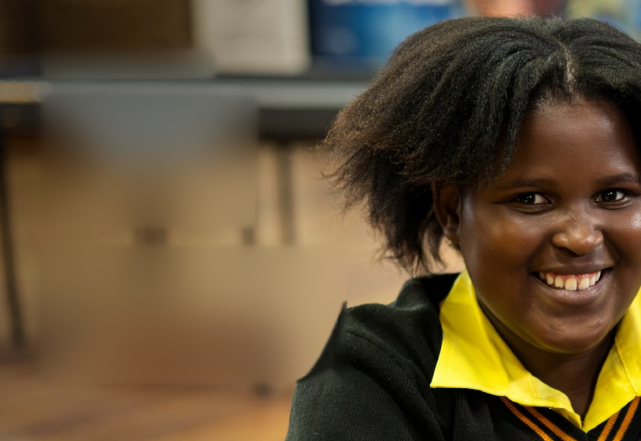
Many South African learners are already finding their way online, often before anyone is ready to guide them. This brief explores what it takes for learners to engage with the digital world, including AI, safely, ethically and critically, and to grow as active digital citizens rather than passive users.
21 resources